
Public facts and the customer journey
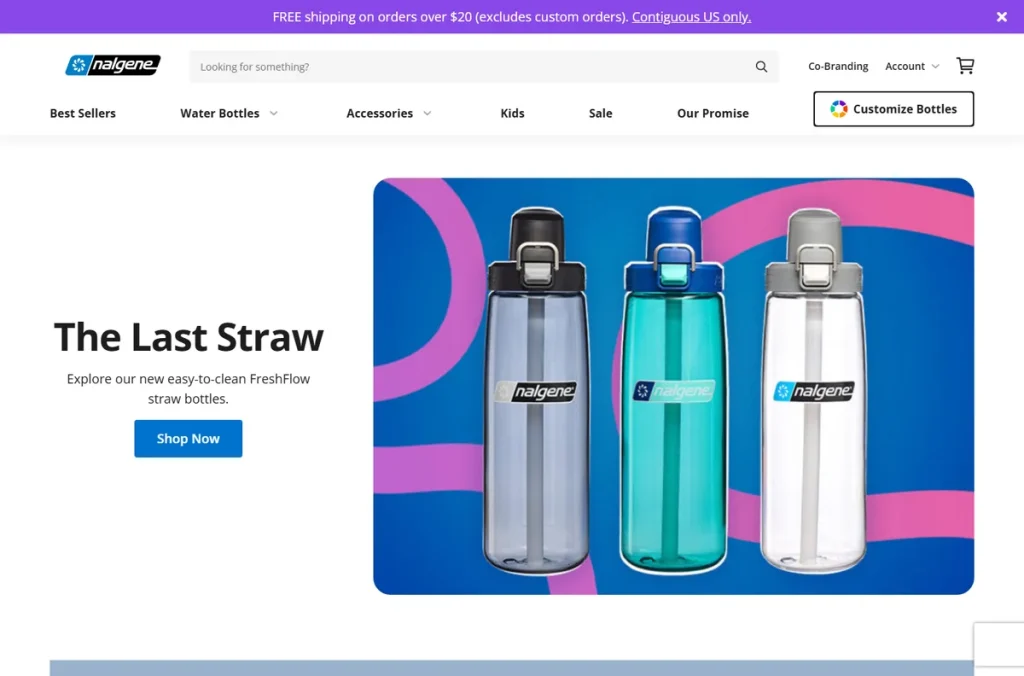
The reviewed navigation includes water bottles, accessories, kids, sale, and a separate customization action. These are observable design decisions, not evidence of a measured conversion improvement.
Our analysis: separate discovery from configuration
A visitor who knows the product name and someone buying their first bottle need different starting points. A useful retail navigation supports both search and browsing. Once a shopper chooses a product, configuration should stay close to the product information, with a clear explanation of the selected option.
For a smaller store, the lesson is to begin with a few meaningful categories. Adding more menu items is not a substitute for understanding how customers choose.
What we would test on a similar store
- Can a first-time mobile visitor find a suitable product without opening several unrelated categories?
- Does changing a variation update the displayed price, image, and availability together?
- Can the chosen option be traced consistently through cart, checkout, and the order record?
Applying the idea to your store
Start with a representative set of products and document the path from discovery to purchase. Prioritize points where the shopper must guess. A focused WooCommerce customization can address a specific decision without replacing the entire site.