
A documented operational problem
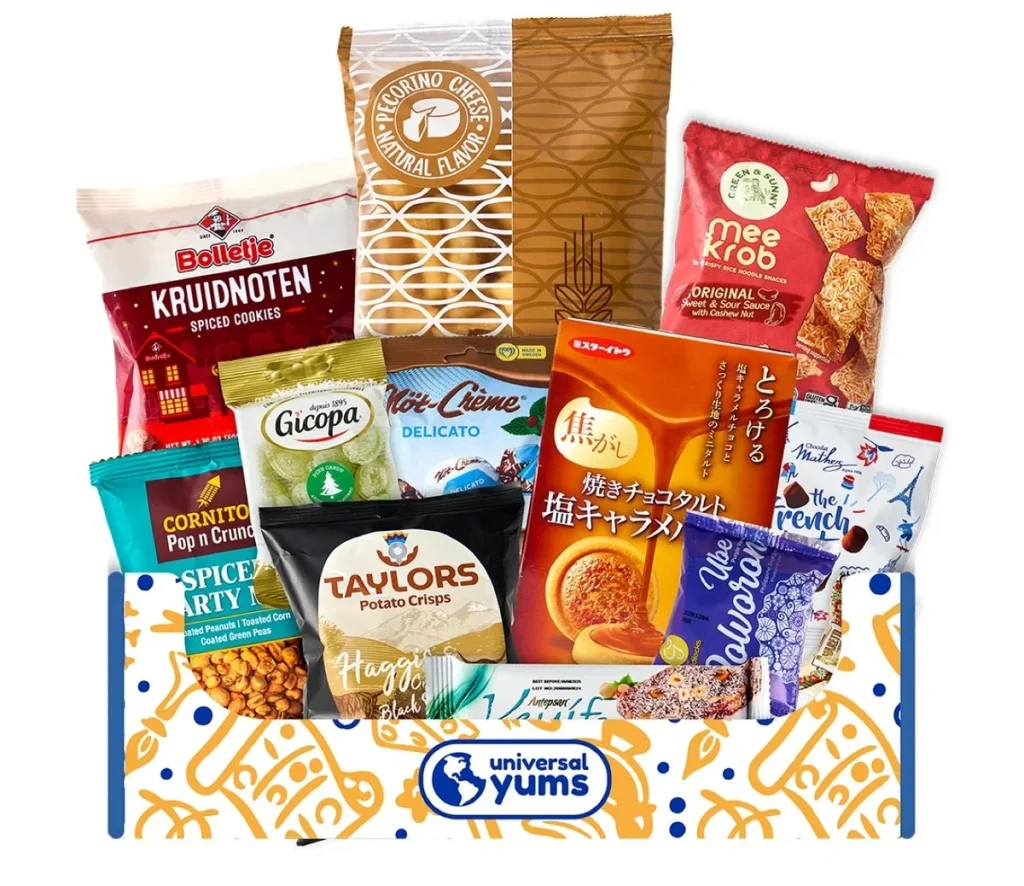
The published account describes choosing box size, duration, and the starting country, alongside shipping-date options. Those choices feed connected operational systems. The story is useful because it explains the workflow behind the checkout, rather than presenting the page as an isolated design.
Our analysis: capture only decisions you can fulfill
A checkout field creates a promise. If the warehouse cannot see or act on its value, the interface has introduced uncertainty instead of convenience. The right question is not simply whether another field can be added, but who owns that information after the order is placed.
For a smaller subscription business, a written data map can be more useful than a large integration project. Name each field, its source, its destination, and the person who handles an exception.
What we would test on a similar store
- A first order, a gift purchase, and a renewal follow their intended paths.
- Failed or repeated requests do not create duplicate fulfillment instructions.
- A changed delivery preference reaches the right operational record.
- The customer sees a clear explanation when an option is unavailable.
Applying the idea to your business
Choose one frequent manual task and trace it from the customer’s action to the final record. That is a practical starting point for a custom plugin or integration. Agree the exception handling before automating the happy path.